

On 4 June 2026, to mark the International Day of Innocent Children Victims of Aggression, the Pomurje Social Work Centre, the Murska Sobota Police Directorate and the Urban Municipality of Murska Sobota organised a panel discussion entitled Silent Messages: Children’s Distress on the Phone.
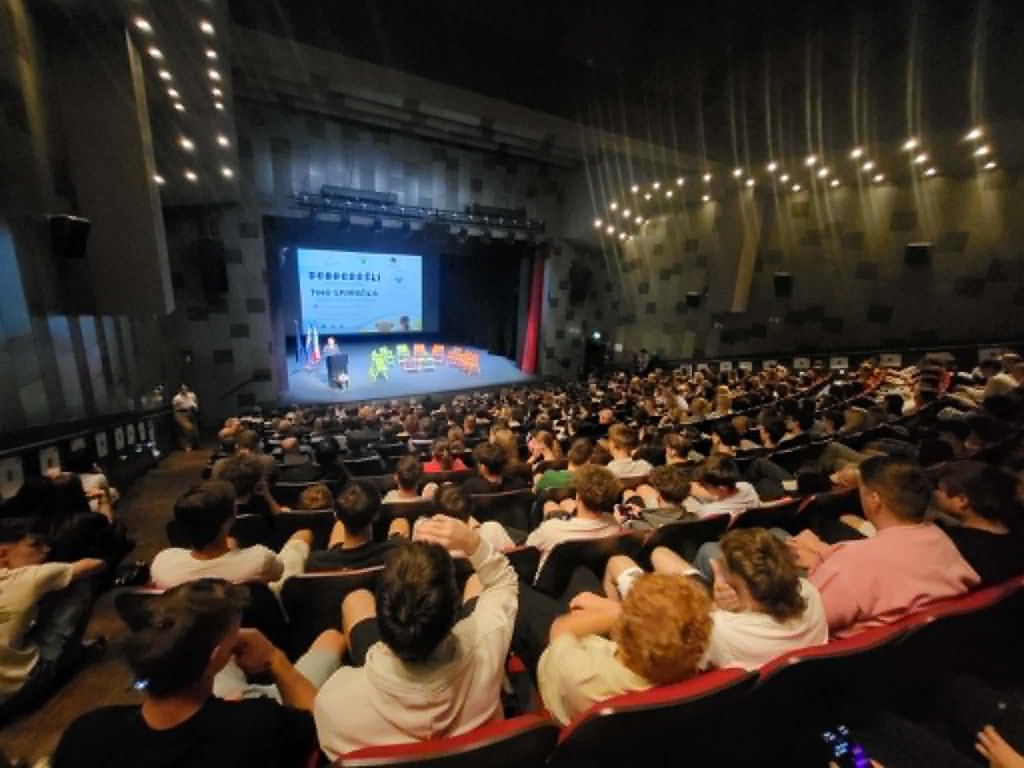
The aim of the conference was to shed light on the issue of children’s distress, which is often expressed indirectly, including through telephone calls to helplines. The event was aimed at secondary school pupils, counsellors, social work centre staff, police officers and all professionals who come into contact with children and young people in their work. The focus was on the importance of recognising early signs of distress and responding appropriately and on the role of active listening when working with children.
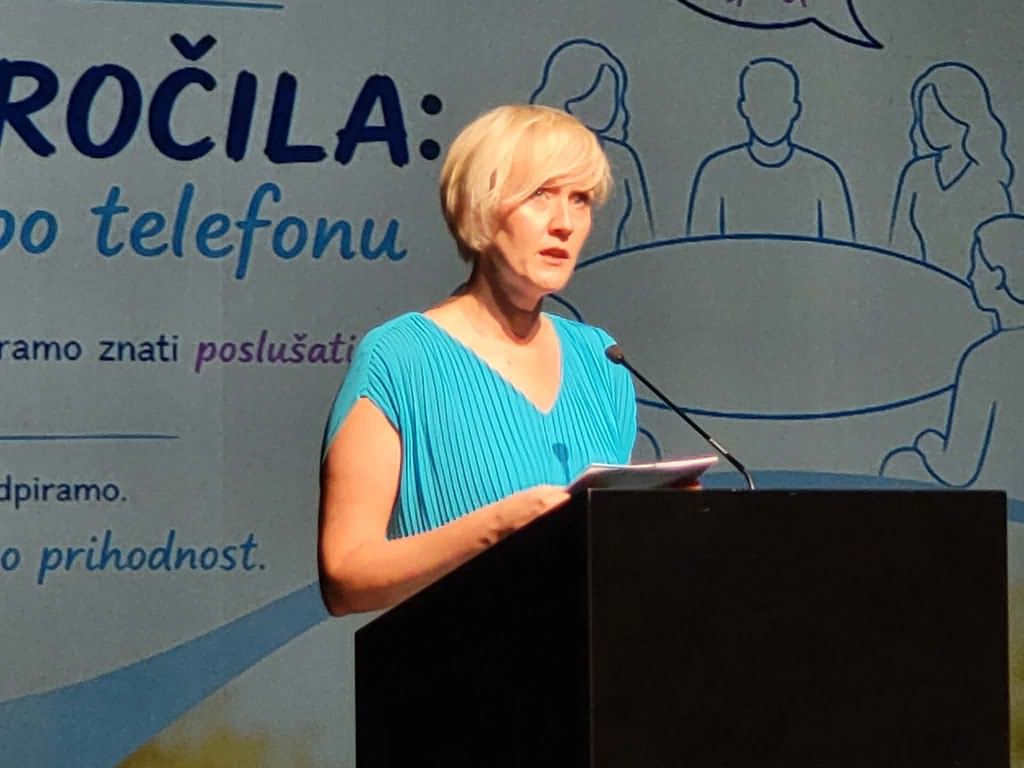
Sandra Babič, director of the Pomurje Social Work Centre, said: "Today’s message is simple and very important. When a child plucks up the courage to speak out, the most important thing is not that we have all the answers straight away. The most important thing is that we really listen to them. That is why today we are not just telling young people to speak out. Today, we adults must first say to ourselves: let us be the sort of people whom young people can actually trust. Child abuse is not a private matter, it is not a family secret, it is not something that does not concern us, and a child’s distress is not something that can wait until there is time. Every child has the right to safety, every child has the right to be heard, every child has the right for us adults to believe them, protect them and help them."
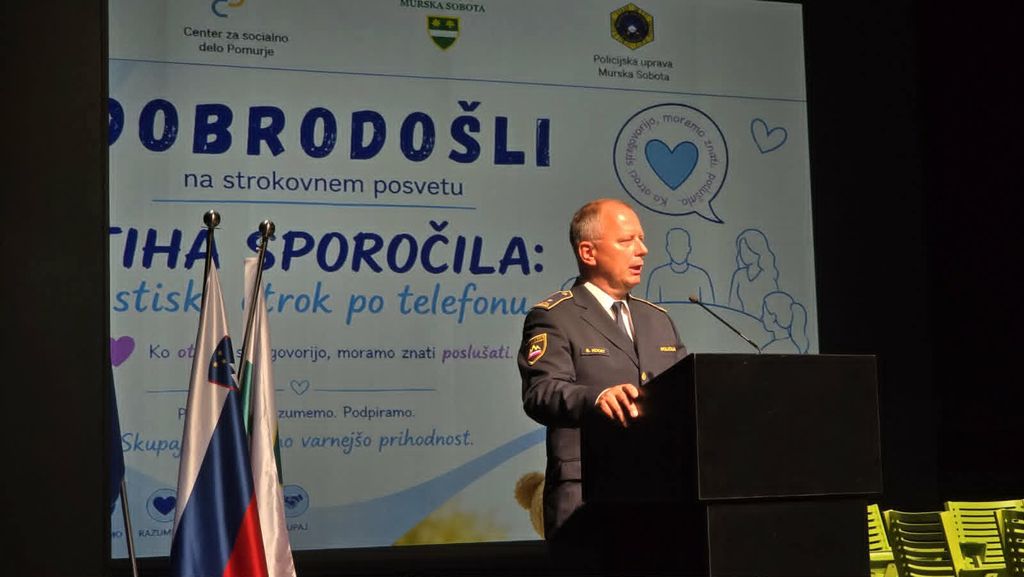
Borut Kocet, who heads the Murska Sobota Police Directorate under authority delegated by the Director General of Police, said: "In our work, the police face difficult situations on a daily basis, but we are aware that we cannot solve everything on our own. When it comes to protecting children, our partnership with social services is crucial; you provide invaluable social and psychological expertise, whilst we in the police force strive to ensure the highest possible level of safety through our activities and measures. If we combine these two elements, we can create a truly safe network that catches and protects children in distress."
Through presentations and examples of good practice, two participants – Jerneja Domanjko, a representative of the TOM helpline, and Primož Podbelšek from the General Police Directorate – shared their practical experience, the challenges involved in dealing with children, and the importance of inter-institutional cooperation.

Representatives from the police, the Pomurje Social Work Centre, the TOM helpline and pupils from schools in the Pomurje region then took part in a roundtable intended to openly discuss the difficulties faced by children and young people, the importance of listening, and cooperation between institutions and young people.
The panel discussion helped strengthen the participants’ professional skills, foster a better understanding of children’s needs, and develop more effective approaches to protecting children from violence and providing support in crisis situations.


