


News
World Alzheimer's Month: Raising awareness of missing persons with dementia
The Slovenian police marks UN International Day of Police Cooperation
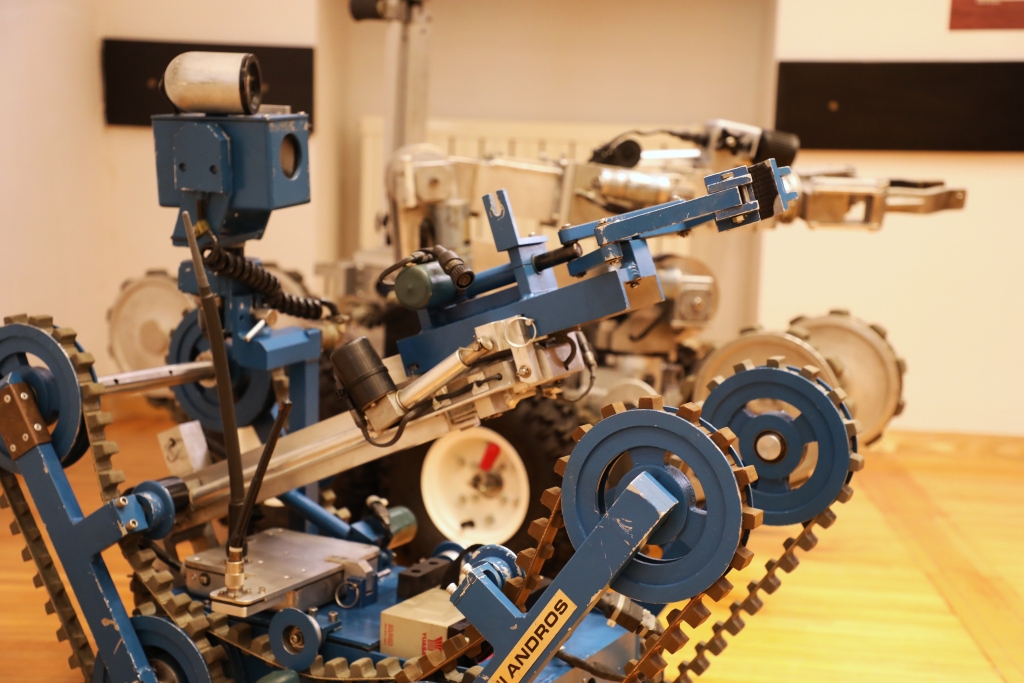
Exhibition "From X-ray Inspections to Modern Robots" opens to mark the 50th anniversary of the Bomb Disposal Unit
Matoz and Jager visit Agra agriculture fair, where police officers present their work and advise on crime prevention and safety on farms
More than 177 kilograms of cannabis seized in Obrežje
With high and very high fire risk declared across the country, open fires in natural environment strictly prohibited - warning
NFL Quality and Development Section
The National Forensic Laboratory Quality and Development Section is responsible for implementing, maintaining and improving the quality management system.
Accredited methods of the National Forensic Laboratory
Accredited methods ensure the technical validity of the result and the impartiality and competence of the staff. The exact scope of the accredited activity of the laboratory can be seen in the appendix to the accreditation document.
Forensic Science in Slovenia – 70 Years of Memories
In 1950, the Forensic Science Laboratory of the State Secretariat of Home Affairs was established in Ljubljana. The forensic science laboratory commenced operations at 7 Beethoven Street in Ljubljana, in a corner building between Cankar and Beethoven Streets. At a later date, the laboratory was moved to the premises of the Ministry of the Interior at 2 Štefan Street.
New pychoactive substances and evidential value of drugs profiling analyses, 28th and 29th September 2016
Seminar "New psychoactive substances and evidential value of drugs profiling analyses" was held in Ljubljana.(28th and 29th September, Ljubljana, Slovenia, for SI law enforcement; activity closed)
Forensic Drugs Analyses - European project RESPONSE
Collect, Analyse, Organize, Evaluate, Share - A Response to Challenges in Forensic Drugs Analyses (Short Project Title - Response)
Chemical Examination Section
Physical Examination Section
The Physical Examination Section covers the greatest variety of specialised areas in forensic science, from textile fibre examinations, examinations of weapons, traces of tools and footwear, glass, soil, and traces in connection with traffic accidents, to electrical devices, explosive devices, traces in connection with fires, the examination of traces from the hands of a shooter, and determining firing distance. The section also carries out ballistic testing of bulletproof protection material and products and testing of firearms and ammunition.
Document Examination Section NAC/CNAC
The Document Examination Section NAC/CNAC was long known as the Graphology Examination Section, although its experts argued for years that their domain was not preparing graphology expert opinions but performing forensic investigations of manuscripts and signatures. From 1996 to 2000 it operated as the Document Examination Desk due to its small size; in 2000, it was renamed the Manuscript and Document Examination Section, and since 2006 it has been known as the Document Examination Section NAC/CNAC (National Analytical Centre/CoinNational Analytical Centre).
Fingerprints and Facial Comparison Section
Dactyloscopy was the first method for identifying perpetrators based on scientific grounds, with its beginnings dating back to the late 19th and early 20th centuries. Initially, the Fingerprints and Facial Comparison Section managed the "central record of general and monodactyloscopy, records of palm prints from serious offenders, and a record of fingerprints found at crime scenes." Today, the records are kept within the AFIS, while the section also acts as a repository for the legally defined record of persons from whom dactyloscopic data were acquired. In addition to identifying the perpetrators and victims of criminal offences, the section is also the contact point for the international exchange of dactyloscopic data (traces and fingerprints) with 20 signatory states in accordance with the requirements of the Prüm Treaty.
Biological Examination Section
The Biological Examination Section was the last section to be established within the forensic laboratory. Even though the chemical laboratory was in charge of the few biological examinations performed during the initial period of more than 20 years, and even though the biological laboratory's beginnings were modest, with only one employee in 1971, 50 years later, this section has the highest workload and its DNA tests help solve the most serious criminal offences in the country.