

This year’s second nation-wide preventive campaign to improve the safety of truck and bus drivers took place between 9 and 15 February 2026. Police officers stopped and checked 3,265 truck drivers and 761 bus drivers.
Police officers detected 1,003 violations among truck drivers and 94 violations among bus drivers. Out of the total number of checks, the police checked 1,042 foreign truck drivers and 154 foreign bus drivers.
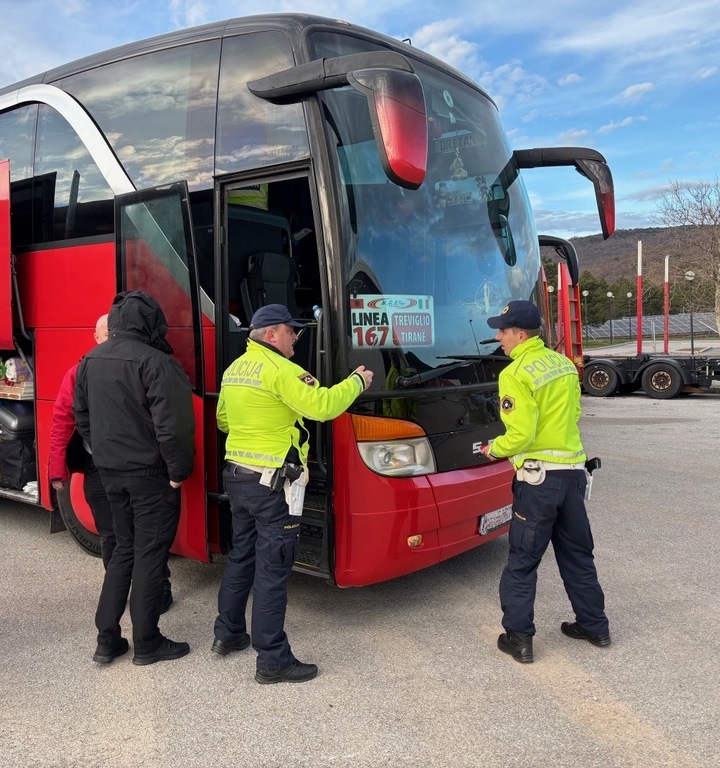
Police officers conducted the tighter controls in cooperation with employees of the Financial Administration, inspectors from the Labour and Infrastructure Inspectorate, and toll inspectors. On the final day of the campaign, officers from the mobile unit of the Croatian Traffic Police (the Kobra unit) also joined the inspections as observers. The preventive campaign was coordinated by the Traffic Safety Agency, while the coordinated European ROADPOL Truck & Bus Operation was simultaneously taking place in several countries.
The most common violations among truck drivers included speeding, failure to use a seatbelt, overloading the vehicle, load securing issues (cargo was often not properly loaded, secured, or fastened), and vehicle roadworthiness (worn-out or damaged tires are particularly common on trailers). Many drivers were also observed using a mobile phone while driving. Eight truck drivers were driving under the influence of alcohol, and five drivers tested positive on a rapid drug test. One of them, who was driving a truck and trailer, tested positive to cocaine on the rapid test on Sunday afternoon. He refused a medical examination, and police officers revoked his driver’s license.
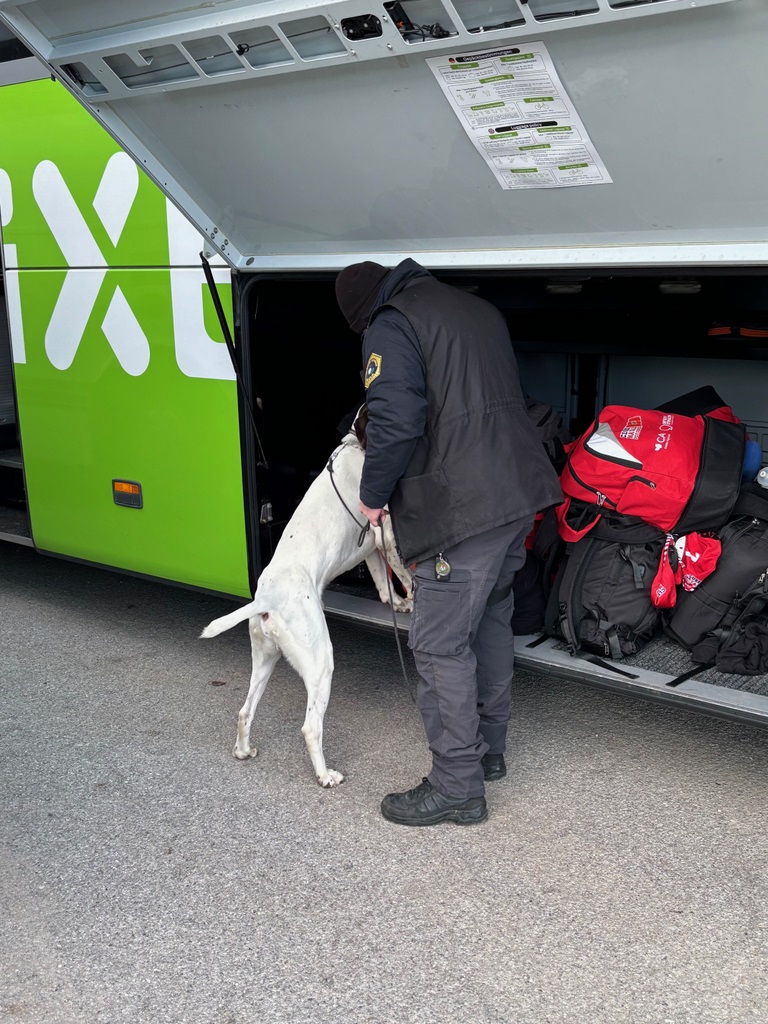
The most common infringements of the bus drivers were violations of the mandatory rest periods and breaks and tampering with the tachograph. Inspectors are noticing a high number of irregularities for the foreign buses transporting passengers and goods on long routes. Vehicles are often in poor technical condition, and drivers generally violate rules regarding driving time, which increases the risk of traffic accidents.
Drivers still tend to drive and work longer than they should. Numerous violations of social security laws were also detected. Labour inspectors generally confirmed that domestic drivers have employment contracts with their employers. Some drivers also work as retirees under contracts for part-time or casual work by retirees. In addition to overwork and violations of the legal right to allowances for work under special working conditions resulting from the scheduling of working hours, labour inspectors also identified violations related to the record keeping on the use of working time, as well as the reporting and storage of tachograph data. Labour inspectors will continue the inspections with checks at the employers’ premises.
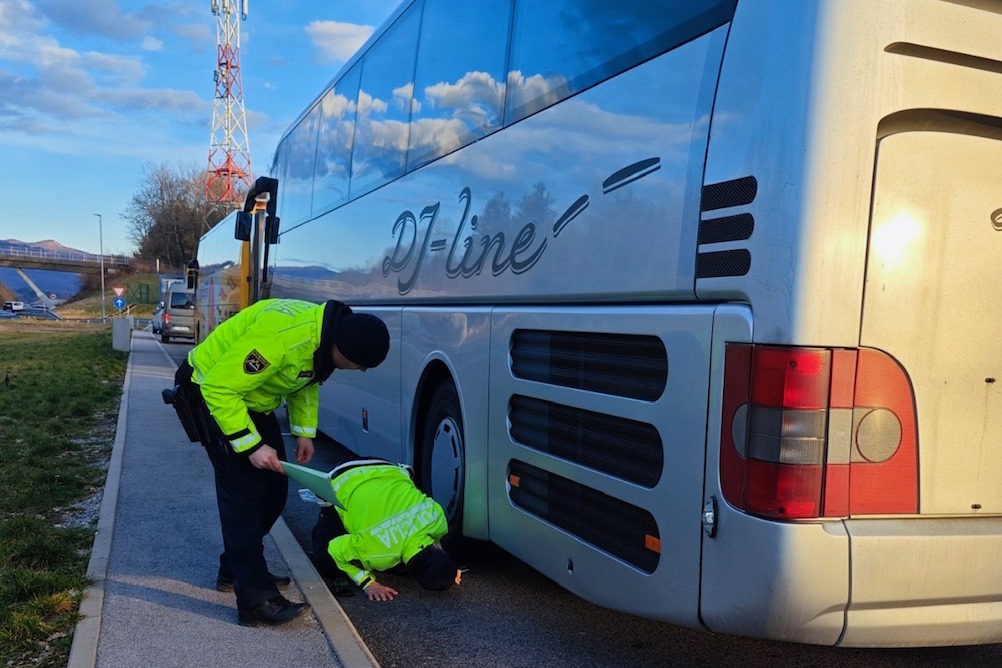
Many bus and truck drivers did not hold adequate documents for transporting passengers and cargo, or only held part of the documents. Drivers who were not professionally qualified and did not hold the required basic professional qualification (code 95) were also detected behind the wheel. It is becoming increasingly common for drivers of buses registered abroad—which are otherwise approved for freight transport—to carry large quantities of incorrectly secured cargo without the required documents.
Professional drivers of trucks, buses, and delivery vehicles spend more time on the road than other drivers. Despite being involved in a smaller proportion of traffic accidents, the consequences of these are often more severe due to the weight and size of the vehicles. The police would like to issue another reminder that compliance with traffic rules, driving according to one’s physical and mental condition, experience and the road conditions, and ensuring technical soundness of vehicles are the foundation of safe driving.


